Lace Panels for Creative Projects
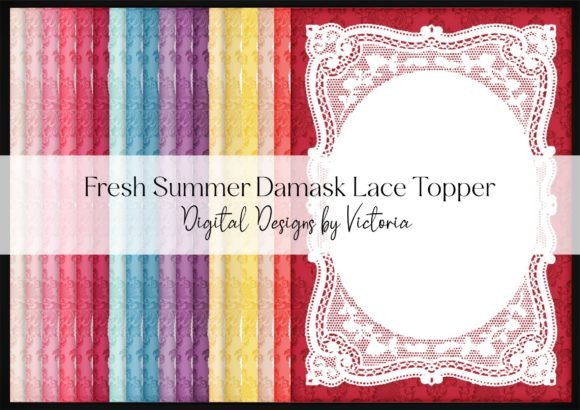
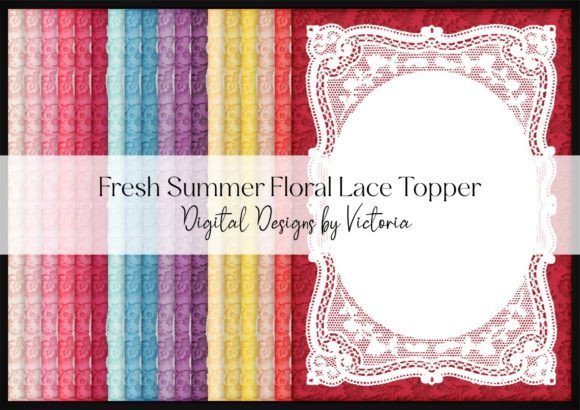
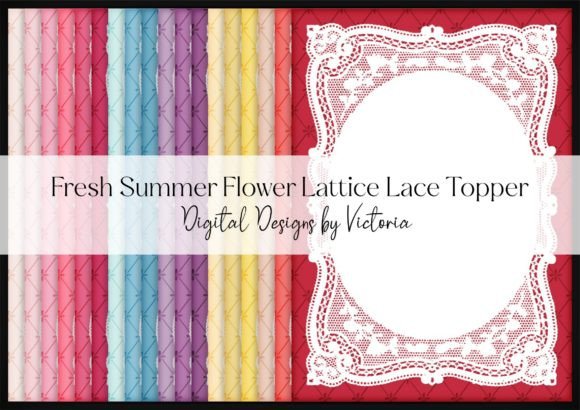
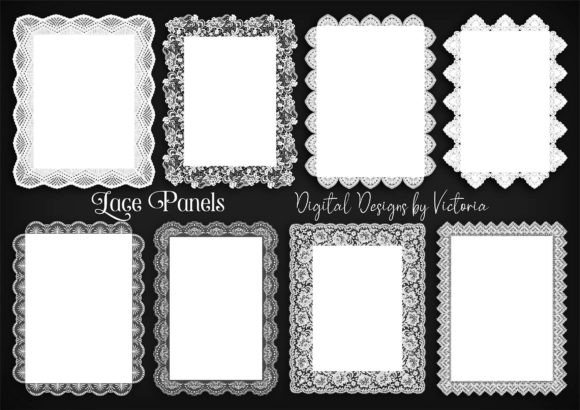
Lace panels are a versatile and elegant addition to any crafting or design project. These intricate designs offer a delicate touch that can elevate the look of everything from wedding invitations to handmade cards. With 16 PNG lace panels in this collection, each featuring a transparent background and saved at 300 dpi, they’re perfect for high-quality printing and easy resizing. Whether you're working on a personal project or a professional one, these panels provide a level of detail and flexibility that’s hard to match.
The collection includes 8 white and 8 grey panels, giving you a range of options to suit different styles and themes. The white panels add a clean, classic feel, while the grey ones offer a more modern and sophisticated look. Both are easily recoloured using any graphics program, allowing you to tailor them to your specific needs. This adaptability makes them ideal for a wide variety of creative applications.
Wedding Stationery and Romantic Projects
For couples planning their wedding, lace panels can be a valuable tool in creating beautiful and personalized stationery. From save-the-dates to thank-you cards, these panels add a touch of elegance that complements traditional or vintage themes. They can be used as borders, accents, or even as the main design element, depending on the style you're going for.
Valentine’s Day and other romantic occasions also benefit from the use of lace panels. Whether you're making handmade cards, gift tags, or decorative elements for a special event, these panels can help you create something that feels both thoughtful and unique. Their transparency allows for layering, which can add depth and dimension to your designs.
Card Making and Scrapbooking
Crafters who enjoy card making will find that lace panels are an excellent resource for adding texture and visual interest. They can be used as overlays, cutouts, or even as part of a collage. Because they’re on a transparent background, they blend seamlessly with other elements, making it easy to incorporate them into your existing designs.
Scrapbookers also appreciate the versatility of lace panels. They can be used to frame photos, add decorative details to pages, or serve as a backdrop for journaling entries. Their high-resolution format ensures that they look sharp and clear when printed, whether you're using them for a small project or a larger scrapbook layout.
Journaling and Personalized Gifts
Journaling enthusiasts often look for ways to make their pages stand out. Lace panels can be used to create a border around entries, add a decorative flourish, or even serve as a background for handwritten notes. Their ability to be recoloured means you can match them to the theme of your journal or the mood you're trying to convey.
Personalized gifts are another area where lace panels shine. Whether you're making a custom mug, a framed piece of art, or a handcrafted box, these panels can add a refined and elegant touch. They’re also great for creating unique packaging, such as gift boxes or envelopes that stand out from the crowd.
Professional Design and Commercial Use
Designers and small business owners can also benefit from using lace panels in their work. They can be incorporated into branding materials, such as logos, business cards, or promotional flyers. Their high resolution and transparent backgrounds make them suitable for both digital and print formats, ensuring that they maintain their quality no matter how they’re used.
For those involved in commercial printing, the 300 dpi resolution of these panels is especially important. It ensures that the final product looks crisp and professional, without any loss of detail. This makes them a reliable choice for anyone looking to produce high-quality materials on a regular basis.
Considerations When Using Lace Panels
Before using lace panels, it's important to consider the type of project you're working on and the tools you have available. If you're not familiar with graphic design software, you may want to spend some time experimenting with different colors and layouts to get the best results. Many programs allow for easy recoloring, but it’s helpful to understand the basics before starting.
Another consideration is the size of the panel relative to your project. While they can be resized, it’s best to start with the correct dimensions to avoid distortion. You should also think about how the panel will interact with other elements in your design, such as text or images. Balancing the design is key to achieving a polished and professional look.
Finally, it’s worth noting that while these panels are designed for ease of use, they are still a resource that requires creativity and thought. The best results come from combining them with other design elements in a way that enhances the overall aesthetic of your project.